Application Experiences

Real stories from students who've been through the process

Aerospace & Defense

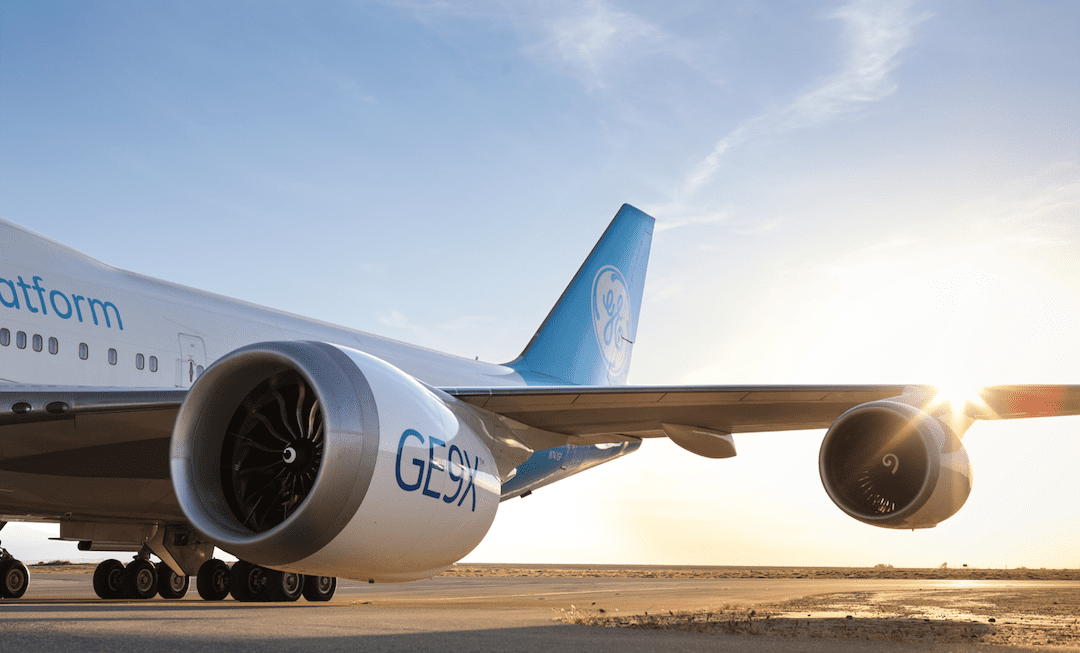
Landing a Year-in-Industry at General Electric

November 2025 3 min read

My application journey with General Electric for the Aerospace Engineering Year in Industry was one of the most enjoyable and insightful processes I’ve experienced. The application opened in September and moved quickly, starting with an online assessment and a HireVue interview...

My application journey with General Electric for the Aerospace Engineering Year in Industry was one of the most enjoyable and insightful processes I’ve gone through. GE has always stood out to me as one of the companies driving real innovation in aerospace, so when applications opened in September, I applied immediately. The early stages moved fast, beginning with a HireVue interview and an online assessment.

The HireVue interview focused on three main areas: why I wanted to work at GE, my specific interest in the aerospace engineering role, and a set of competency and situational questions. These included topics such as teamwork under pressure, handling setbacks, solving engineering challenges creatively, and communicating effectively in technical environments. Although HireVues can feel awkward, this one was surprisingly natural because the questions were closely aligned with real engineering scenarios.

Next came the online assessment, which consisted of two game-based tests designed to measure logic, reasoning, and problem-solving ability. One test focused on pattern recognition and fast decision-making, while the other emphasised strategic planning and adaptability. While they were challenging at first, they became much more manageable once I understood the mechanics of each game. The games felt more like cognitive evaluations than academic tests, which helped reduce the pressure.

At the end of October, I was invited to a panel interview with three GE interviewers. The interview was split into two main sections, starting with a detailed behavioural and situational component. They opened with “tell me about a time...” questions related to resolving conflict within a team, dealing with difficult people, innovating when traditional methods failed, and demonstrating integrity when faced with a challenging ethical situation. They also asked how I handled tasks I was initially stuck on. This allowed me to talk about specific university projects and how I approached debugging, problem-solving, and communication during group work.

The second half shifted into technical aerospace content. At one point, the interviewers pulled up a detailed cross-sectional image of a jet engine. They asked me to walk through the function of each section — the fan, LPC, HPC, combustor, turbine stages, and exhaust — and explain how these components interact dynamically. We went deeper into applications beyond propulsion, discussing how jet engines are used for auxiliary power generation, how bleed air is extracted for cabin pressurisation and environmental control systems, and the implications this has on engine efficiency.

They also explored aircraft maintenance topics, asking about different types of non-destructive testing used in the aerospace industry. I discussed methods such as ultrasonic inspection, eddy current testing, X-ray imaging, and dye penetrant, along with when each technique would be appropriate. They were particularly interested in how engineers decide which method to use and the risks of missing key defects in rotating machinery.

What made the interview genuinely enjoyable was how conversational it felt. The interviewers encouraged me to think aloud, explore engineering ideas, and justify my reasoning rather than simply state memorised answers. They gave their own insights into GE projects, advanced materials, and real challenges they face in maintaining engine performance and reliability. It felt like an engineering discussion rather than a test, which made the whole experience extremely engaging.

Overall, the entire process was smooth, fair, and surprisingly fun. The questions were interesting, the interviewers were supportive, and I came away feeling like I had genuinely learned something. If anything, the experience reinforced my enthusiasm for aerospace engineering and confirmed that GE is a company where I could see myself contributing meaningfully. The combination of technical depth, real-world relevance, and the friendly atmosphere made it one of the best application processes I’ve ever been through.

F1 & Motorsport

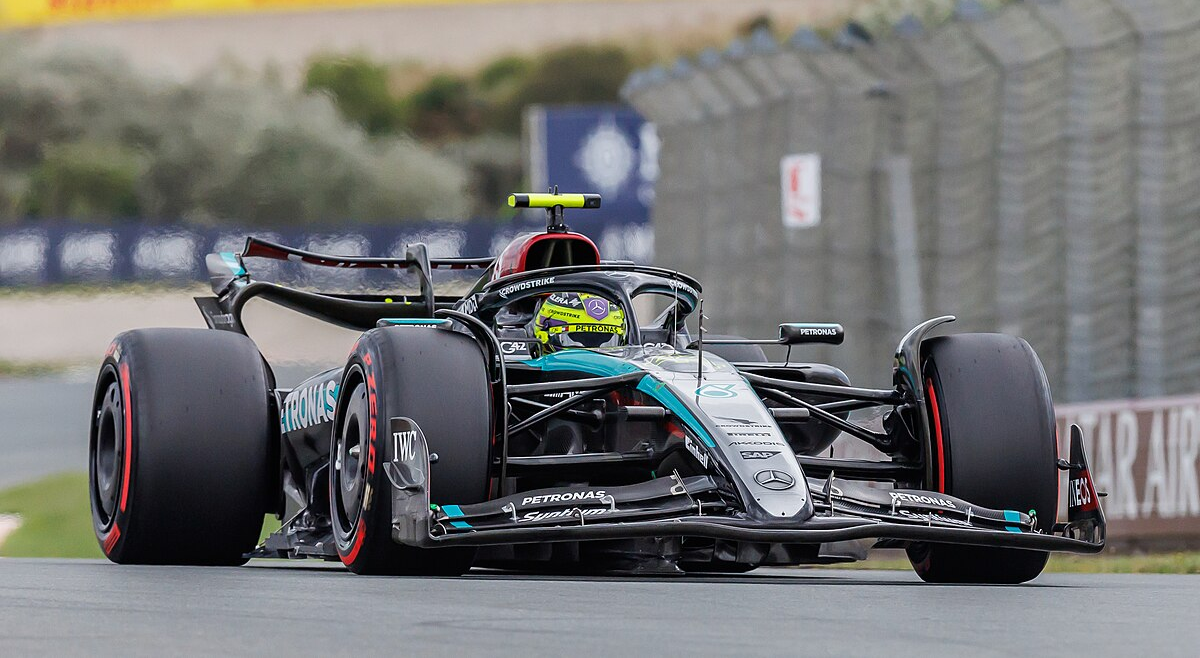
Breaking into Formula 1: My Mercedes-AMG Application Story

October 2025 3 min read

Applying for the Mercedes F1 Car Build Industrial Placement was one of the most intense and rewarding application processes I’ve experienced. It involved multiple stages - from reasoning tests and video interviews to a full assessment centre with technical panels, behavioural interviews, a group task and even a tour of the factory.

The process began with an online application submitted in early September, where I tailored my CV and cover letter specifically to the car build division. A few weeks later, I was invited to complete the online assessment, which tested numerical reasoning, verbal comprehension, and logical pattern recognition. The logical reasoning questions, especially the shape-based sequences, were definitely the trickiest part.

After passing the assessments, the next stage was a video interview. This focused mainly on CV-based questions and competency topics like teamwork, problem-solving and delivering under pressure. The questions were time-limited, so it was important to be concise and structured — STAR format helped a lot here.

The final stage was the full Assessment Centre at the Mercedes campus. This was an incredible experience. I had three interviews in total: two technical interviews covering my knowledge of race car systems, materials, manufacturing, and general F1 operations, and one behavioural interview that explored my mindset, communication style and approach to challenges. The technical panels were tough but fair - they were much more interested in how I think than whether I knew everything.

There was also a group exercise where we were given a scenario and had to collaborate on a solution. Working efficiently as a team, communicating clearly and balancing leadership without overpowering others was essential. After that, we were taken on a factory tour, which was honestly surreal — seeing the car build bays and the level of precision involved gave me a completely new appreciation for F1 engineering.

Overall, the entire process was challenging but incredibly rewarding. Mercedes created a welcoming environment throughout, and the day was genuinely enjoyable. Even though the selection process was intense, it gave a real taste of the standards and expectations inside a world-class F1 team.

Systems Engineering

My Leonardo Systems Engineering Internship: Application Breakdown

Octoberer 2024 3 min read

My application for the Leonardo Systems Engineering Summer Internship began with the online application form, followed by a virtual assessment centre that turned out to be one of the most engaging application processes I’ve experienced. The assessment centre had multiple stages, including a detailed panel interview, a collaborative group task, and a technical presentation based on a research brief I was given two weeks in advance...

My Leonardo Systems Engineering Summer Internship application in 2024 began with a standard online application form focusing on my education, motivations, and interest in systems engineering. Shortly after submitting, I was invited to the virtual assessment centre, which was the main selection stage and easily the highlight of the process.

The assessment centre started with a 2-to-1 panel interview. This covered both technical and behavioural elements. I was asked fundamental questions about systems engineering, including how the systems V-model works and why it is used in complex engineering projects. Alongside this were competency and situational questions relating to teamwork, problem-solving, dealing with challenges, and communicating ideas clearly in technical settings.

After the interview came the group exercise. We were given a short brief outlining a problem scenario, and as a team, we had to develop and propose a solution. The assessors were observing how we worked together under time pressure – communication, collaboration, and contributing constructively were key. The challenge was balancing leadership with teamwork: stepping up when needed, but not dominating or being bossy. It was a great representation of real systems engineering teamwork.

The final stage was an individual presentation to two interviewers. I had two weeks beforehand to prepare a short deck. The presentation included why I was interested in Leonardo, why I believed I was a strong fit for the role, and some of my previous engineering experiences. The final section was based on a research topic they assigned earlier, which required reading, analysis, and summarising the key engineering implications. The interviewers asked a few follow-up questions about my understanding and my reasoning behind each point.

Overall, the process was extremely enjoyable. The assessment centre felt realistic, challenging, and genuinely fun. The questions were thoughtful, the exercises felt meaningful, and the interviewers were friendly and engaged. It gave me a great insight into what systems engineering work looks like at Leonardo and confirmed that it’s an environment where collaboration, curiosity, and structured thinking really matter.

Got a story to share? 📝

Help future applicants by sharing your internship experience or letting us know about opportunities we've missed

Submit Your Story